

When Soccer Played at 45 RPM (and 13 on the Totocalcio)
Once upon a time, there was a world where “making 13” wasn’t just a stroke of luck—it was the start of a new life. A flash of genius, intuition, heart—and a Totocalcio betting slip. You’d mark your crosses on 1, X, or 2 and hope for a Sunday miracle. And if things didn’t go your way? Oh well, you’d start again on Wednesday. No apps, no algorithms—just a pen, a newspaper, and unshakable faith in Lady Luck.
That was soccer when all the matches kicked off at the same time, and if someone scored while you were in the bathroom, your little radio would tell you about it. The one with the single earbud, of course. There was no live goal coverage—just the neighbor’s shouts, Sandro Ciotti’s voice, live reports from Tonino Carino in Ascoli, and the suspended silence of stadiums packed with families, couples, old men with scarves knotted around their necks even in the middle of August.
The stadium wasn’t a restricted zone yet—it was a place where you could go alone at 12 years old and still feel safe. The chants were clever, ironic, even poetic—the line between teasing and insult was clear, and if you crossed it, you’d get more boos than the opposing goalkeeper. And then there was that unwritten rule: the last fifteen minutes, you could get in for free. Yes, you heard right—they’d open the gates. Because the show belonged even to those who couldn’t afford it.
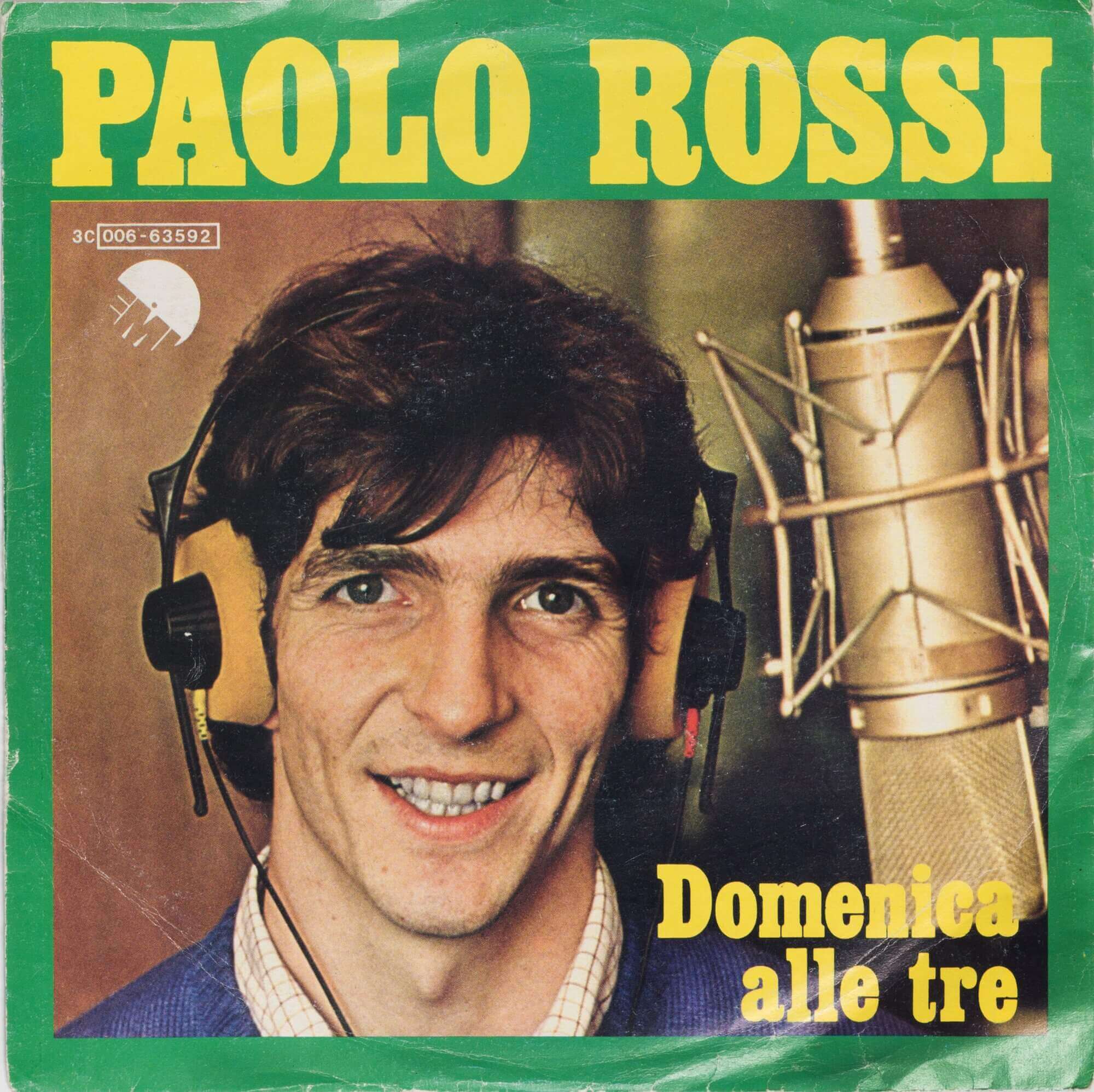
Meanwhile, outside the stadiums, 45s were spinning. Little vinyl records, 17.5 cm in diameter, with a hole in the middle that seemed made for slipping your dreams onto a turntable. The sleeve, often colorful and featuring the singer’s face on the cover, measured 18.5 by 18.5 cm. Side A was for the big hit—the one everyone sang in the shower. Side B? A surprise. Often a hidden gem.
You’d pop them into the record player, a gadget about the size of a handbag but with more personality than some DJs today. All it took was a battery, and off you went—impromptu concerts at the beach, in the car, or outside your house. And if you got a plastic record case for your birthday? You were the king. Or the queen. The 45s spun—literally—at 45 revolutions per minute, not by chance.
And it wasn’t just singers who made them. Oh no. The 45 was so popular that even soccer stars jumped in. Paolo Rossi, for example—the man who made us scream louder in 1982 than any Sanremo singer—recorded SUNDAY AT THREE. A love song disguised as sports commentary, or maybe the other way around. “My opponents all have your eyes, I see your golden hair on their heads...” — locker room poetry, music for emotional replays. He recorded it for charity, and he didn’t do badly at all—once again proving himself a champion.
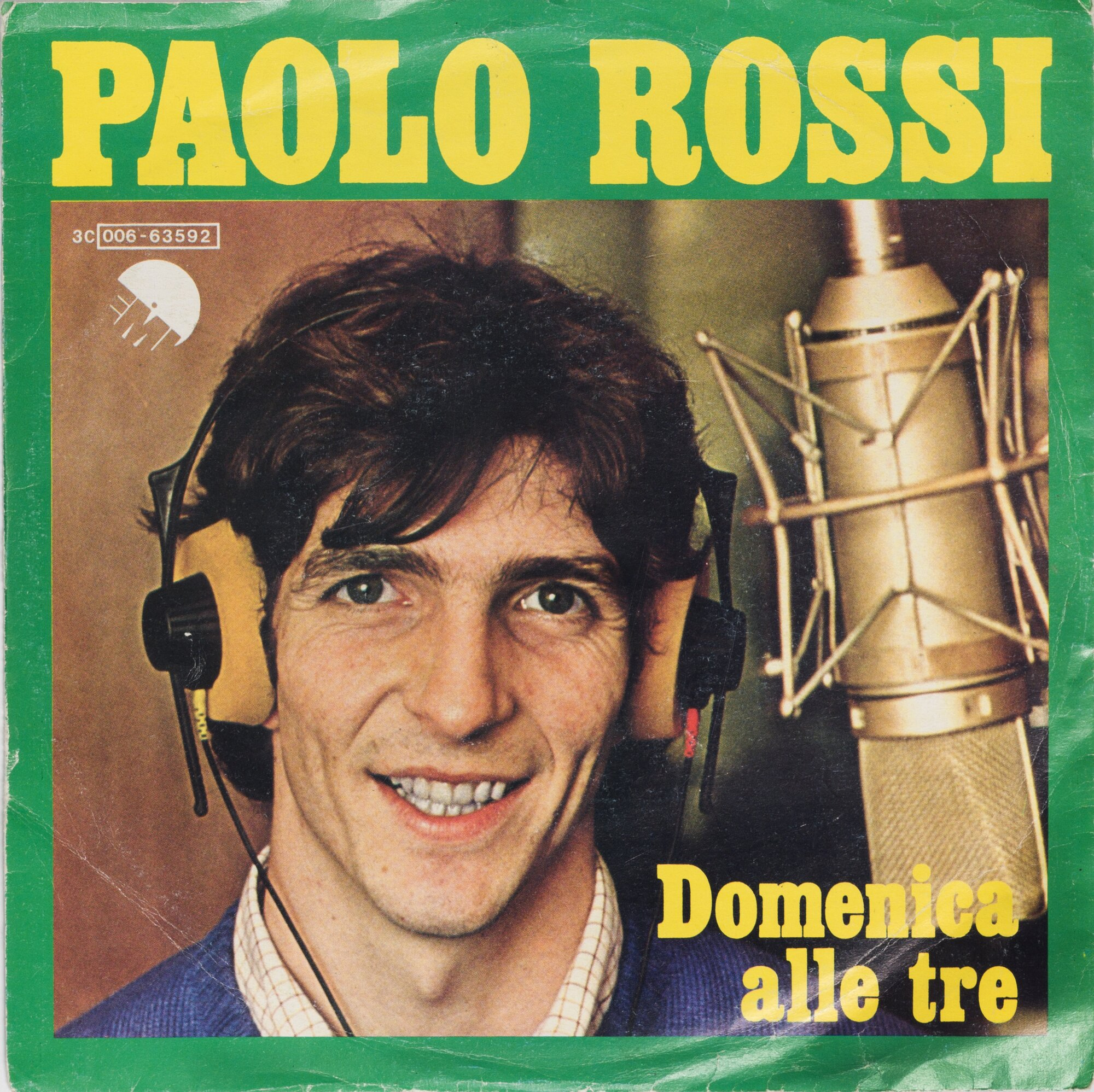
Rossi wasn’t alone. Giorgio Chinaglia did it. So did Pelé. And Johann Cruyff? Him too, with that philosophy professor air and magic feet, put his voice on vinyl. Today it sounds crazy. Tomorrow, who knows, maybe it’ll be back in style. But back then, it was all perfectly natural. There was no clear line between champion and dreamer, between microphone and soccer ball.
That world—of betting slips, improvised chants, 45s spinning, and buttons that clicked when you pressed them—seems to have vanished now. But all it takes is a note, an old record, an “a mille ce n’è…” and it all comes rushing back. You see bell-bottom pants, phone booths, radio commentaries, the smell of sandwiches at the stadium, and the sound of dreams spinning at full speed.
It’s not nostalgia—it’s just memory, with a smile. A time when you could touch music, breathe soccer, and life seemed a bit easier, even when you lost. And if you hit 13... everything changed. Even the record player.
THE NIGHTMARE...
Soccer players’ 45s are a little trash-pop-soccer treasure waiting to be rediscovered.
Here’s a (hard to believe, but true) tracklist of 45s recorded by soccer players—between legends, flashes in the pan, and pop madness. Some have become collectors’ items, others... erased for the good of humanity. But all deserve at least a round of applause (or a laugh) for their courage.
Some are absolute kitsch gems, others real attempts at a “parallel career.” But all tell of a time when soccer players were still human beings who made mistakes, took risks, and—sometimes—sang badly. But with style.
Ready? Turn up the volume on your imaginary record player:
EMI, 1984
A sweet love song in soccer metaphor. Surprisingly in-tune vocals. On the B-side, a tribute to the World Cup in Mexico.
English/Lazio Style
Country-folk à la Clint Eastwood. Yes, Lazio’s own George with a guitar in hand. More macho than singer.
Various 45s in Portuguese, from the ’60s on
Pelé the crooner! Romantic tracks, samba-pop, and Brazilian melodies. Warm voice, party mood under the stars in Rio.
Netherlands, 1969
Roughly translates to: "Oh oh oh (here I go, something crazy happened again)". Dutch psychedelic pop.
An absolute cult classic.
Germany, 1966
The “Kaiser” sings about friendship. Very serious voice, Schlager style. It’s a bit like the German “Viva la mamma”.
France, 1991
An unlikely duet with Philippe Lavil. Exotic lyrics. Caribbean holiday vibes. Yes, really—the Marseille striker.
Netherlands, '70s
Yes, a true anthem for Ajax. Epic, bombastic, full of pride. A bit like a stadium chant, but sung by him personally.
France, 1984 (maybe best forgotten)
Swing duet with a real singer. Platini tries to keep time. Doesn’t always manage. But he’s Platini—we forgive him.
World Cup 1974
The entire national team in the studio. A crazy jingle over a toy-pop backing track. The unofficial anthem of the disaster in West Germany.
Italy, late ’70s
Oscar-worthy title. Serious, heartfelt song, a bit like a Dino Risi film. He believes in it. And deep down, so do we.
Argentina, 1987
A pop tango with a hoarse, visibly emotional voice. Maradona sings like he plays: with his heart on his sleeve.
'90s, full-volume cumbia
More rhythm than singing, more charisma than technique. But who can resist the charm of soccer’s most famous hair?
Brazil, ’80s
The Corinthians’ "doctor" dives into MPB (Brazilian popular music). Deep voice, Ipanema bar groove.
Argentina, '80s
A self-tribute, melancholy pop. An ode to his own talent, in the third person. Modesty, please.