

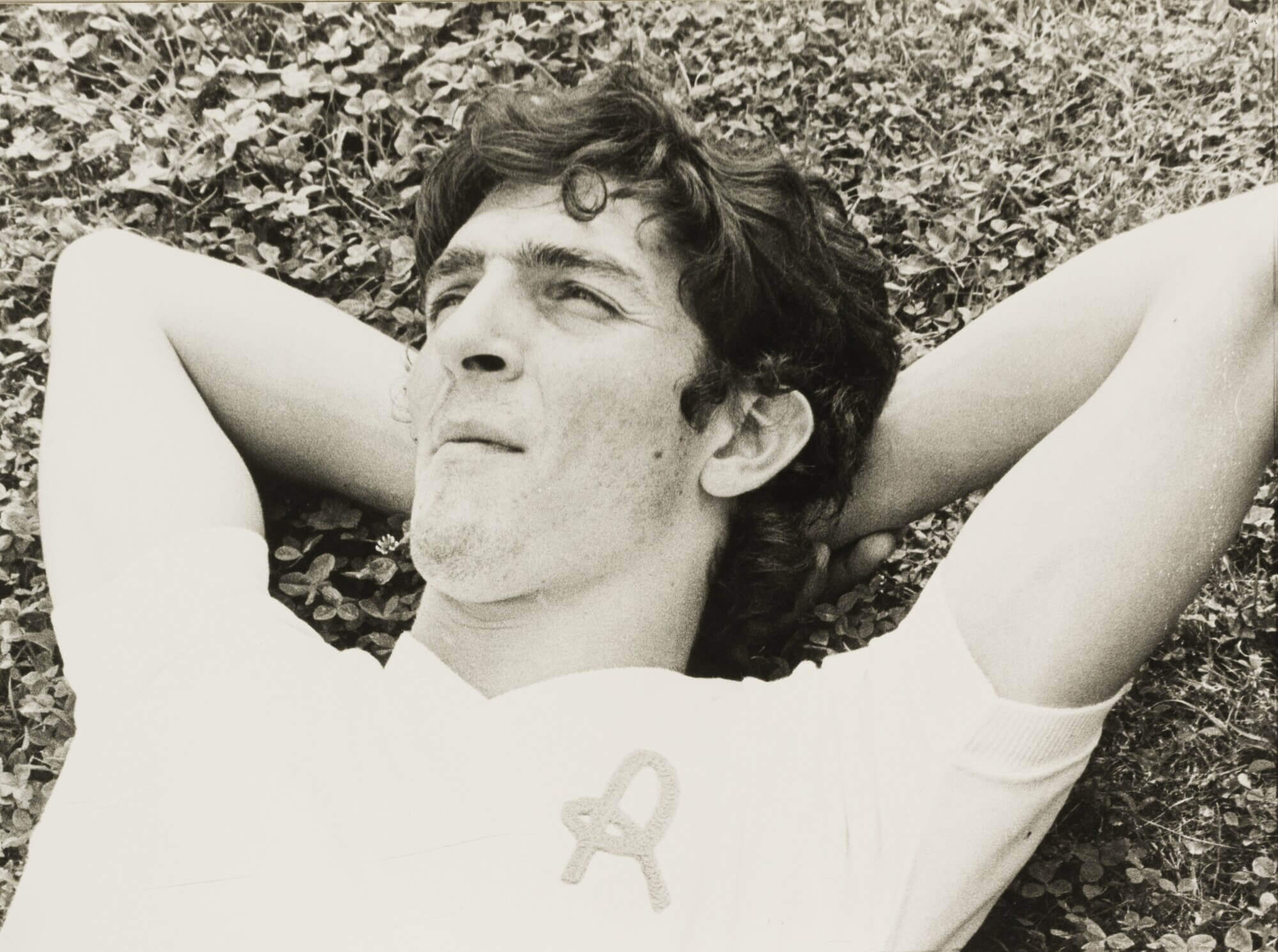
One of Paolo Rossi’s defining traits was his intuition—a knack for anticipating, perhaps even imagining reality a split second before it happened. Who knows if, in Paolo’s gaze, in that wonderful photograph of him lying on the grass at Vicenza’s Romeo Menti stadium with his hands behind his head, there was already an inkling of his future.
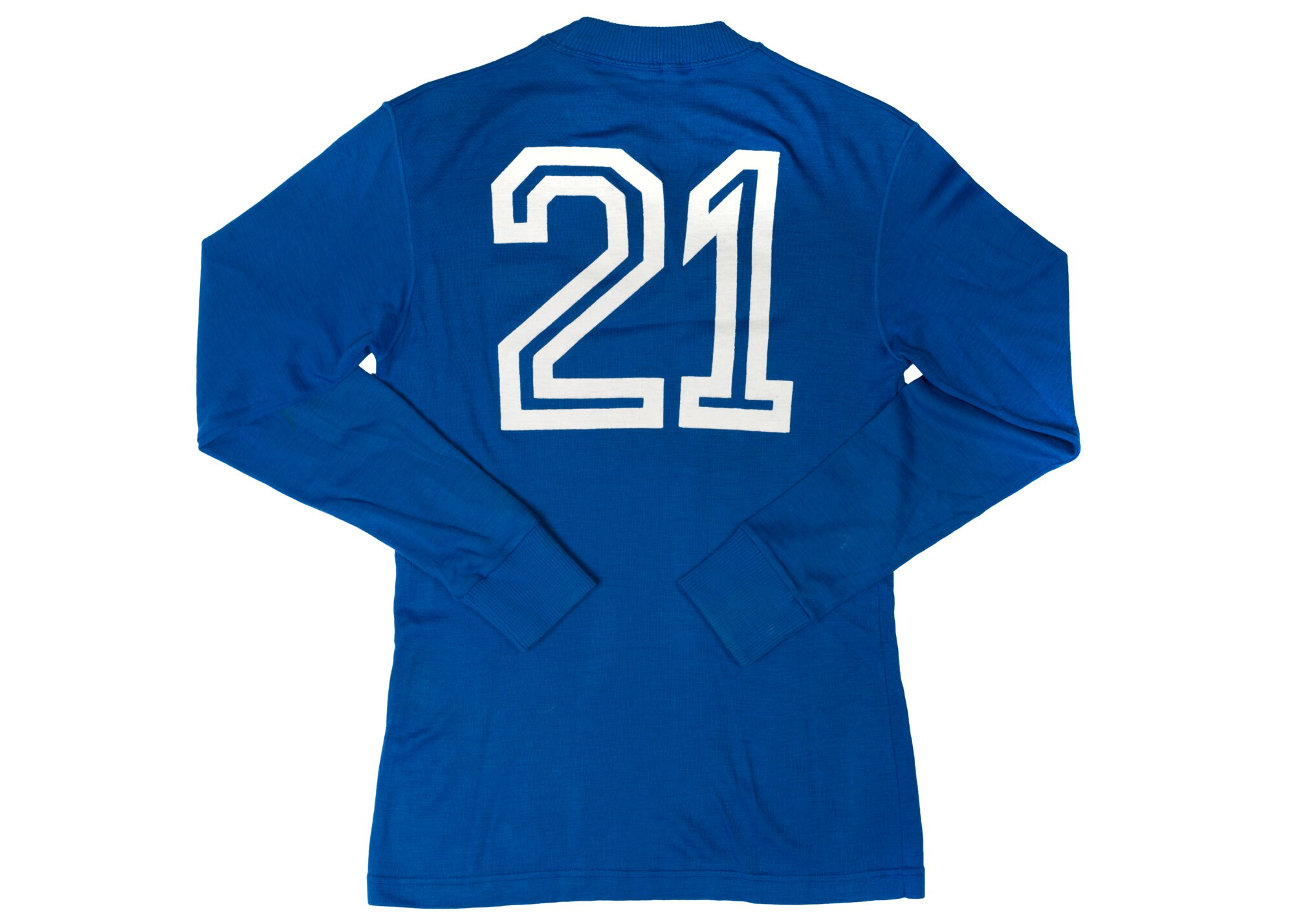
Who knows if Paolo Rossi imagined that he would return to the field, after the suspension that had kept him away for two years, precisely at the Comunale in Turin on May 9, 1982; who knows if he imagined that his jersey—this time the blue of the national team—would one day appear on the shoulders of a global rock superstar, Mick Jagger, atop a crane with a worshipping crowd at his feet; who knows if he imagined that, on another day and wearing the red and white jersey of Lanerossi Vicenza he would step onto the pitch at the Comunale in Turin as Serie A’s top scorer: it was May 7, 1978— Juventus vs. Vicenza, 3-2, the final matchday of the season. Juventus won the Scudetto and Paolo’s L.R. Vicenza—he scored that day in the 25th minute of the first half—finished second in the final standings, together with Torino, setting a record that remains unbeaten to this day (and is likely to remain so in modern football): the best result ever achieved in Serie A by a newly promoted team.
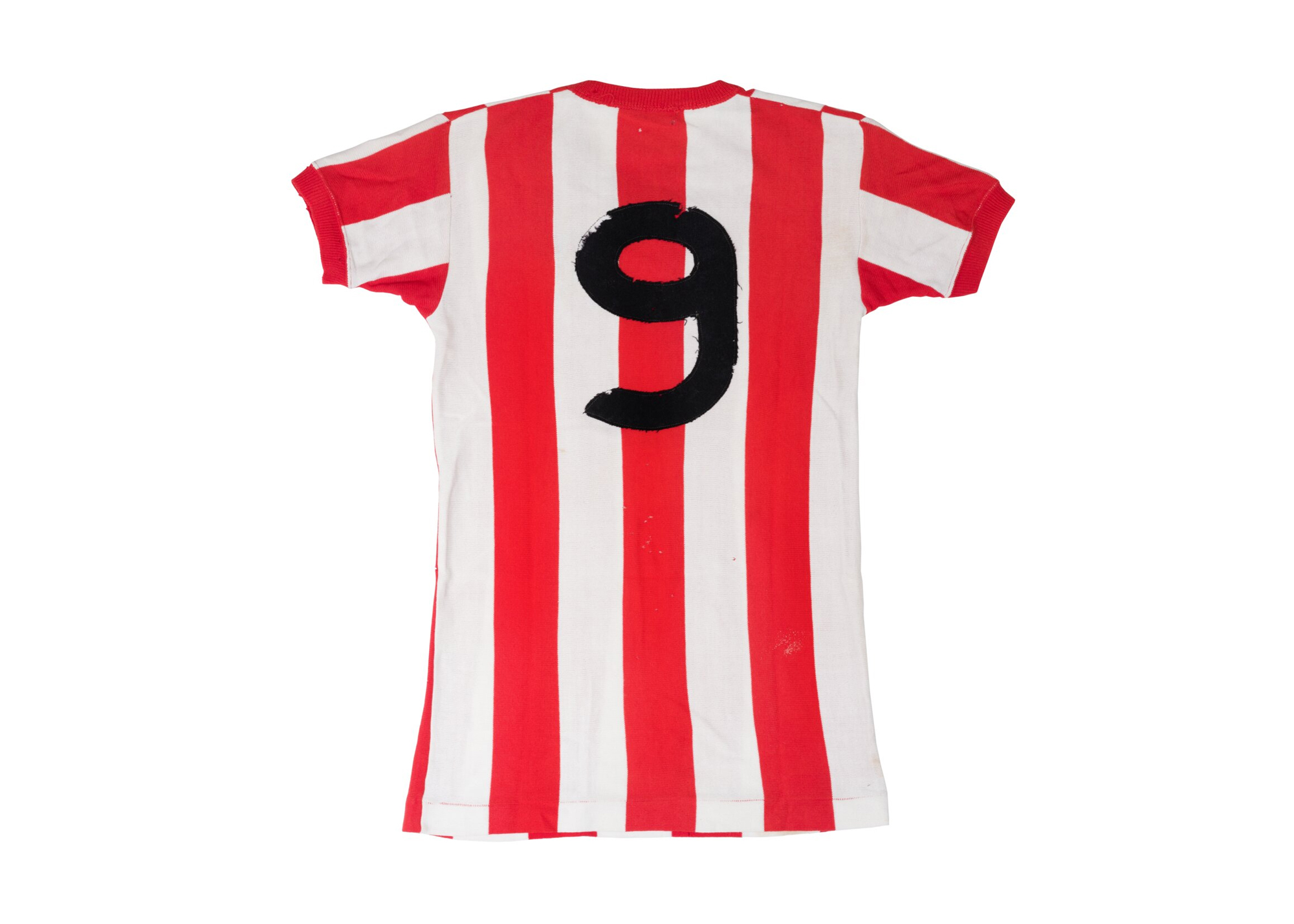
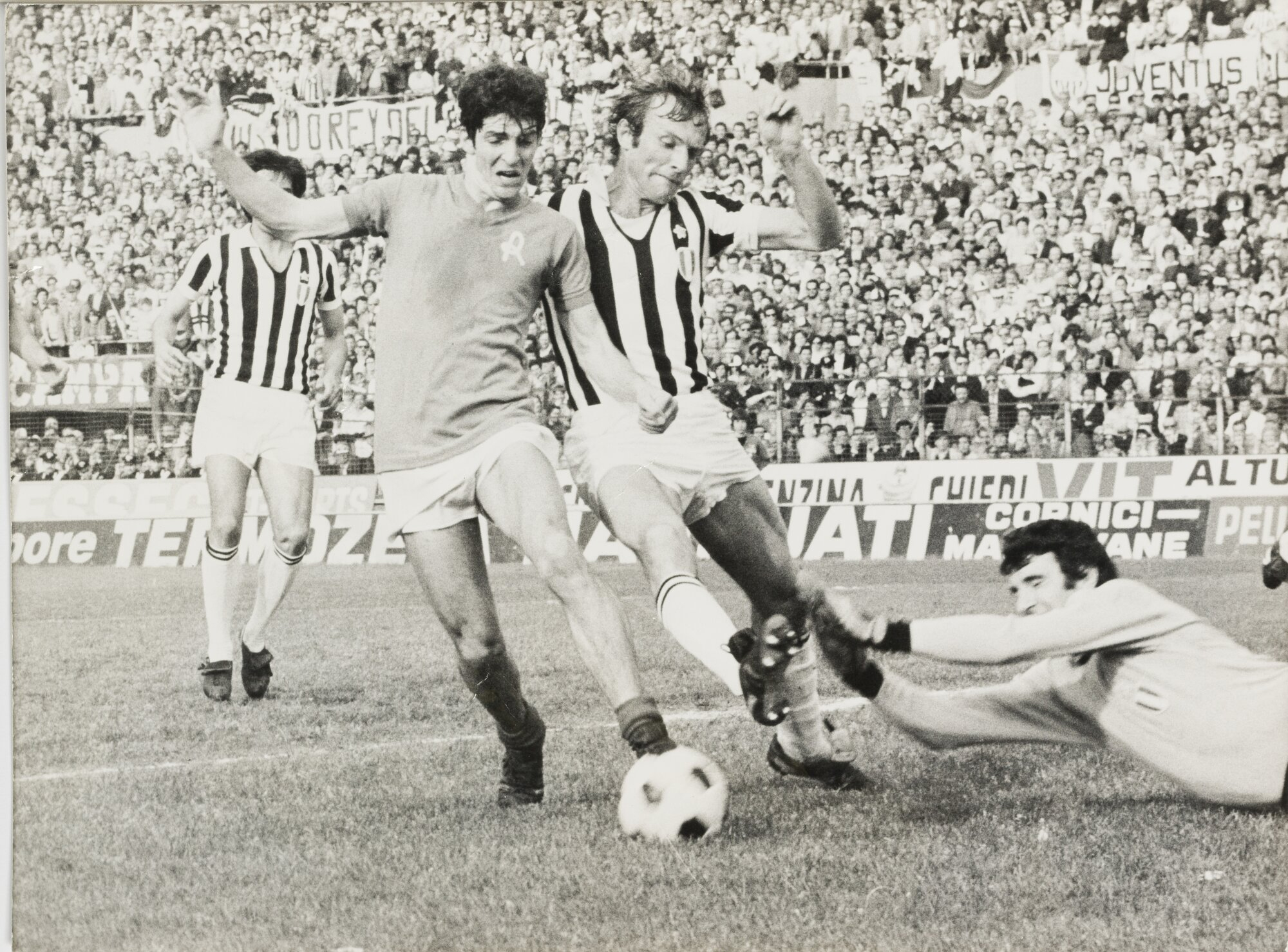
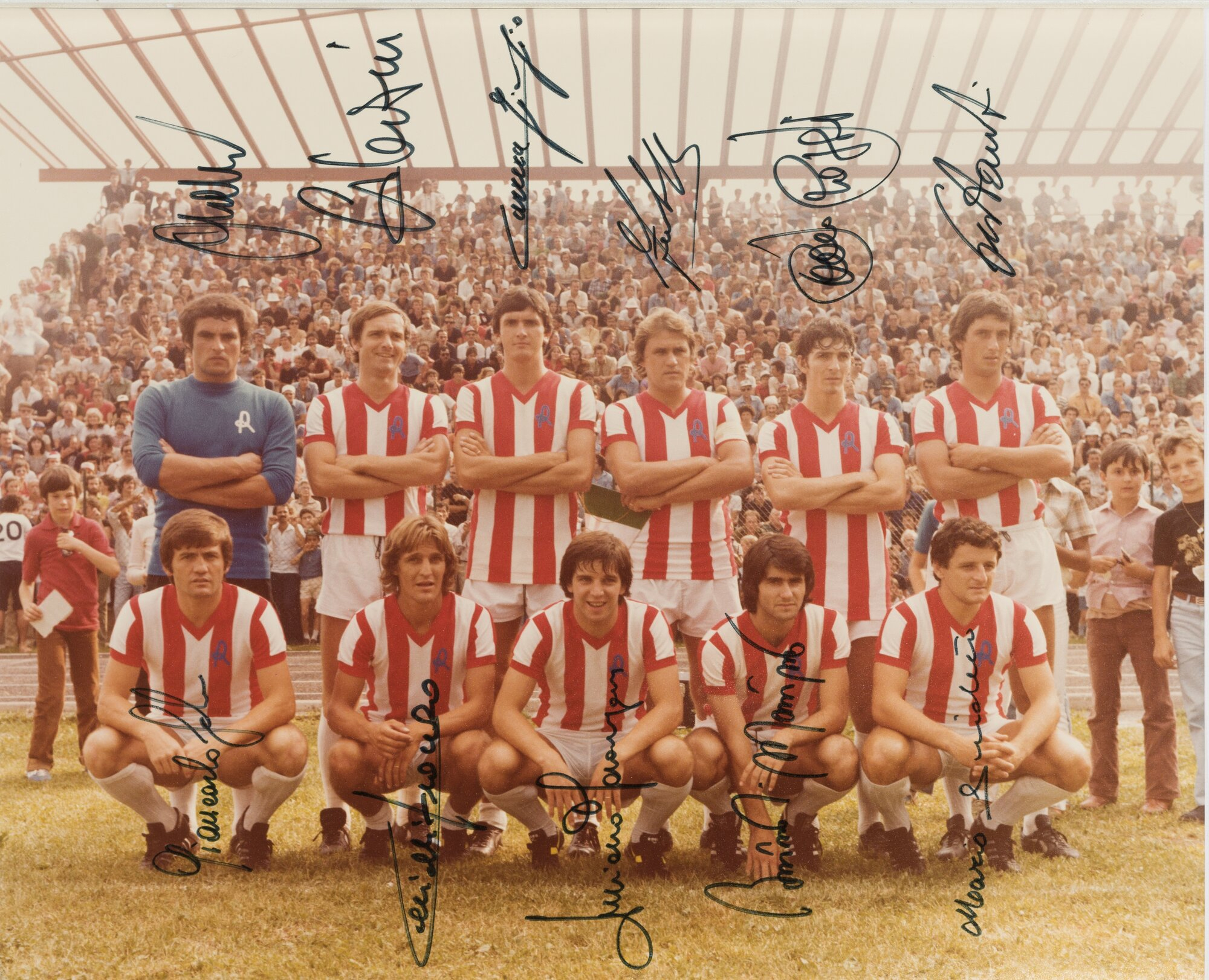
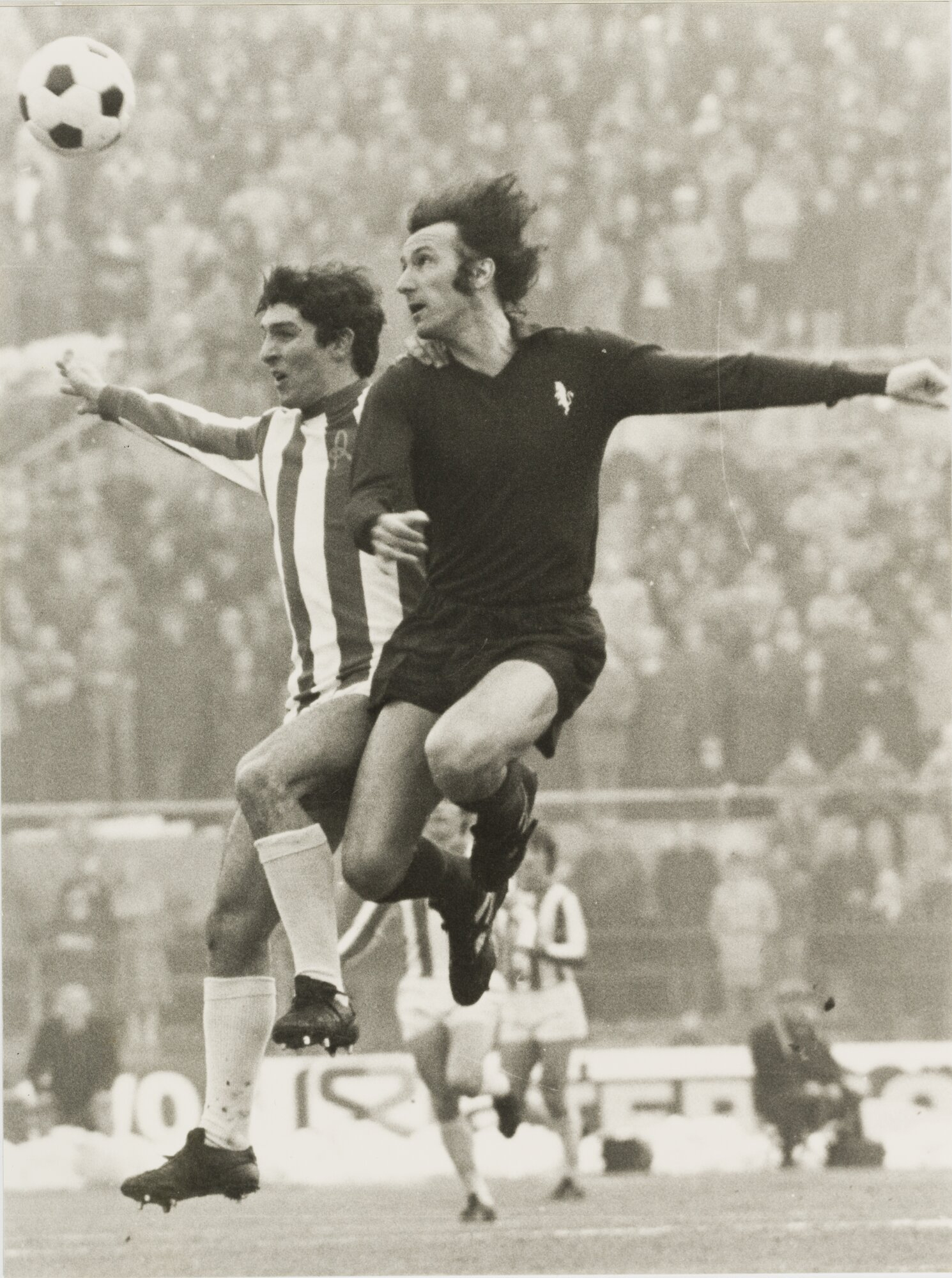
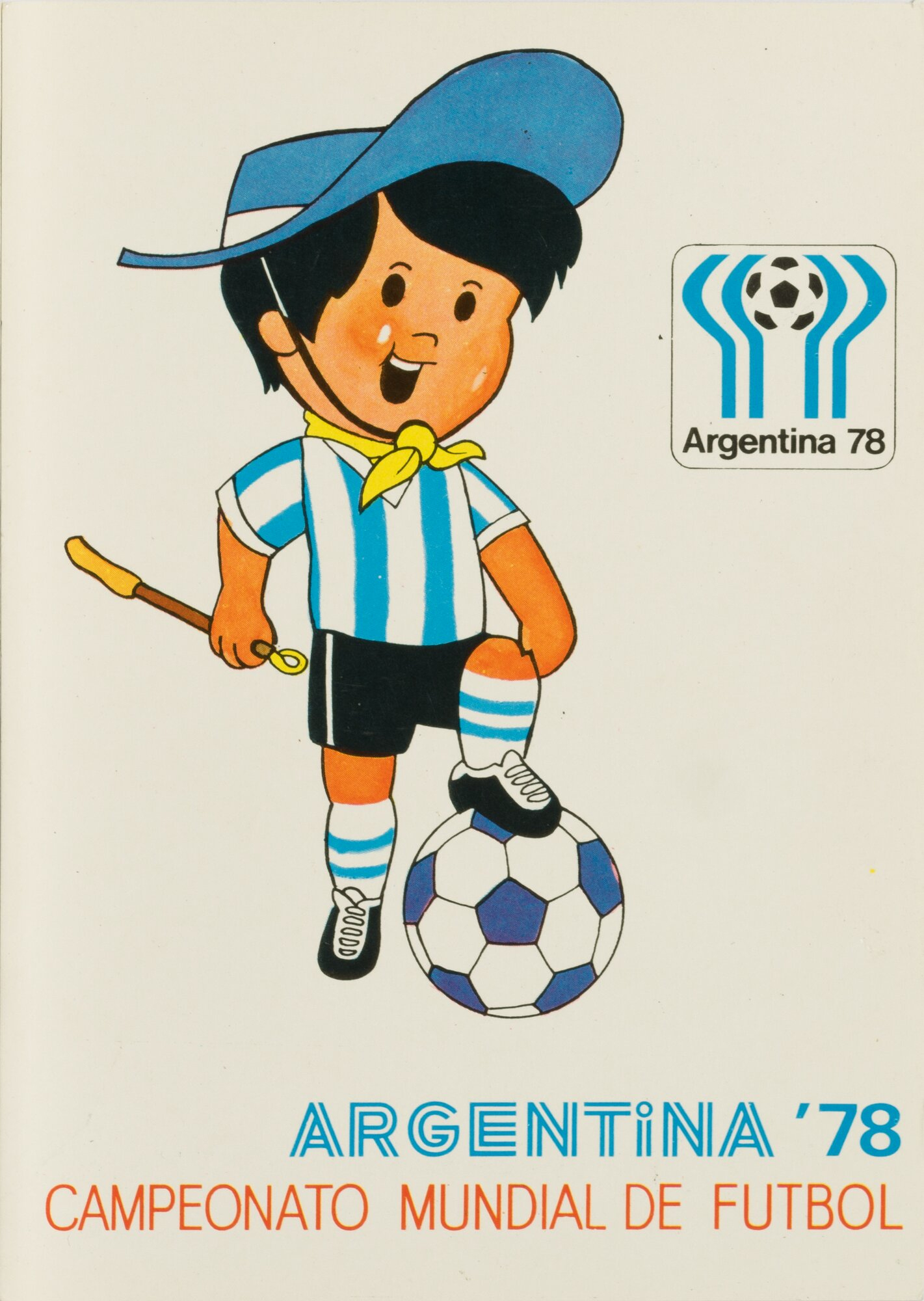
The previous year, in fact, Juventus had sent Paolo Rossi to Vicenza in Serie B, and that perfectly twenty-year-old boy, who had played little and never scored at Como the season before, carried the red and whites up to Serie A, scoring 21 times. But the real miracle season was the next, when a now-established Paolo Rossi led Vicenza to a second-place finish. That year, Vicenza scored 50 goals in total; Paolo Rossi scored 24 of them (including four braces and a hat-trick), with his closest teammate, Renato Faloppa, netting just 4. That summer would also mark the beginning of Paolo Rossi’s love affair with the blue jersey of the Italian national team. Bearzot called him up, Paolo packed his bags, and set off for the World Cup in Argentina.
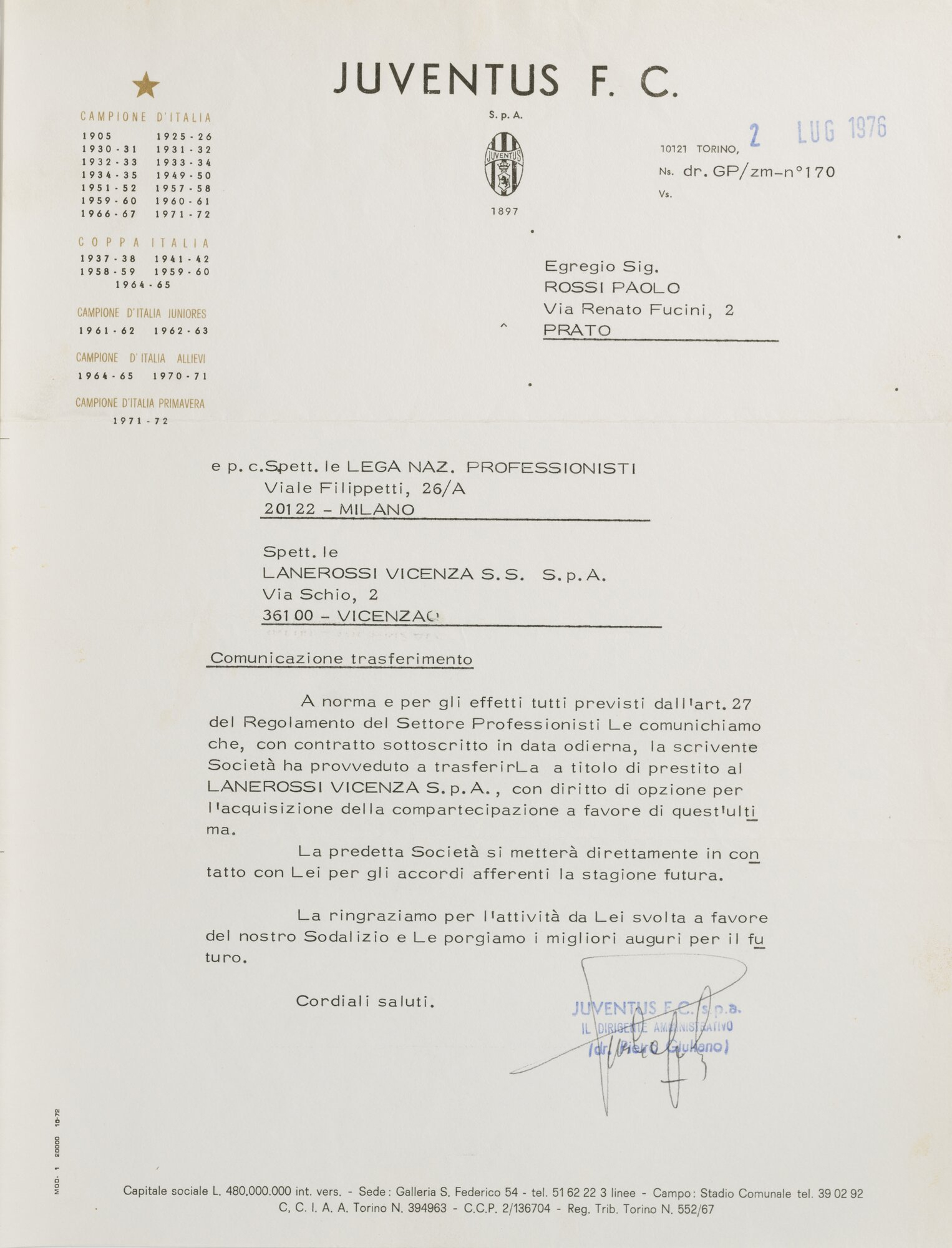
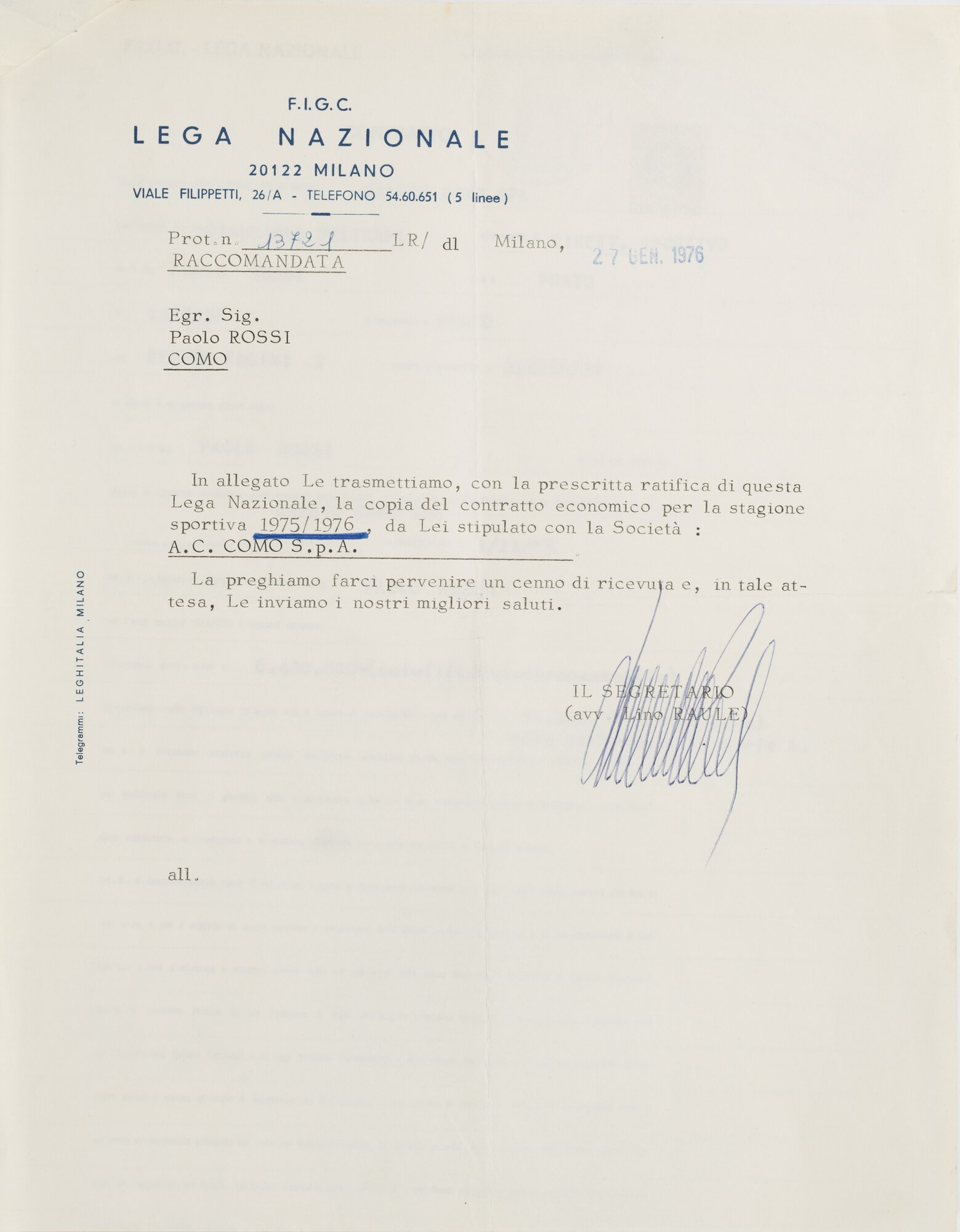
Perhaps it had something to do with that “having the right stuff” of a boy born in Prato, the capital of the textile industry, in the century when the Rossi Wool Mill of Schio became the leading Italian company in the sector, cementing its fame when it tied its name to Vicenza’s top football club, which from then on became known as Lanerossi Vicenza. It was in this Venetian city that Paolo Rossi found extraordinary conditions, under the guidance of Giovan Battista Fabbri, who became his first mentor. There would be three great coaches who would change Paolo Rossi’s sporting life: Giovan Battista Fabbri, Giovanni Trapattoni and, of course, Enzo Bearzot.
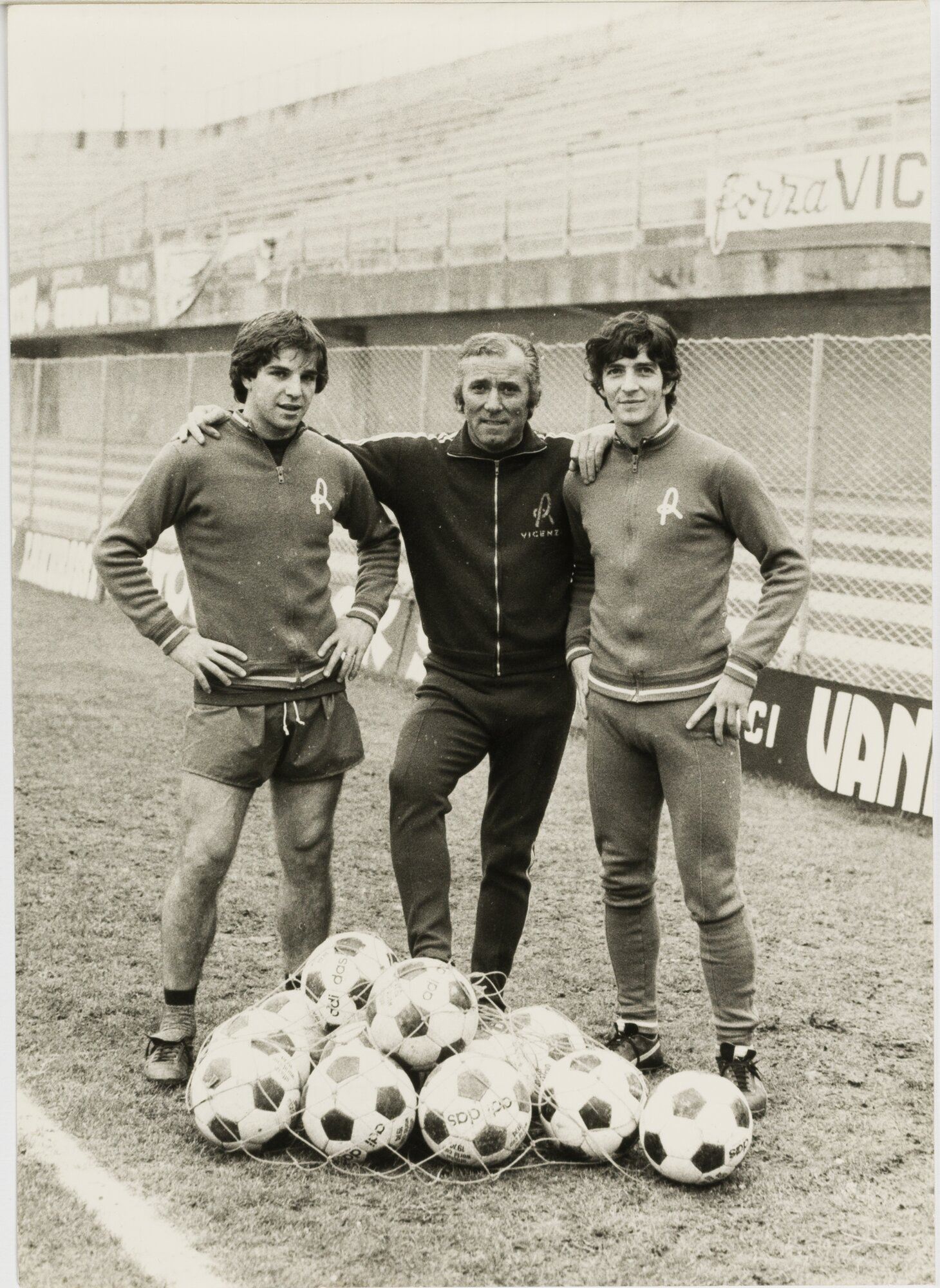
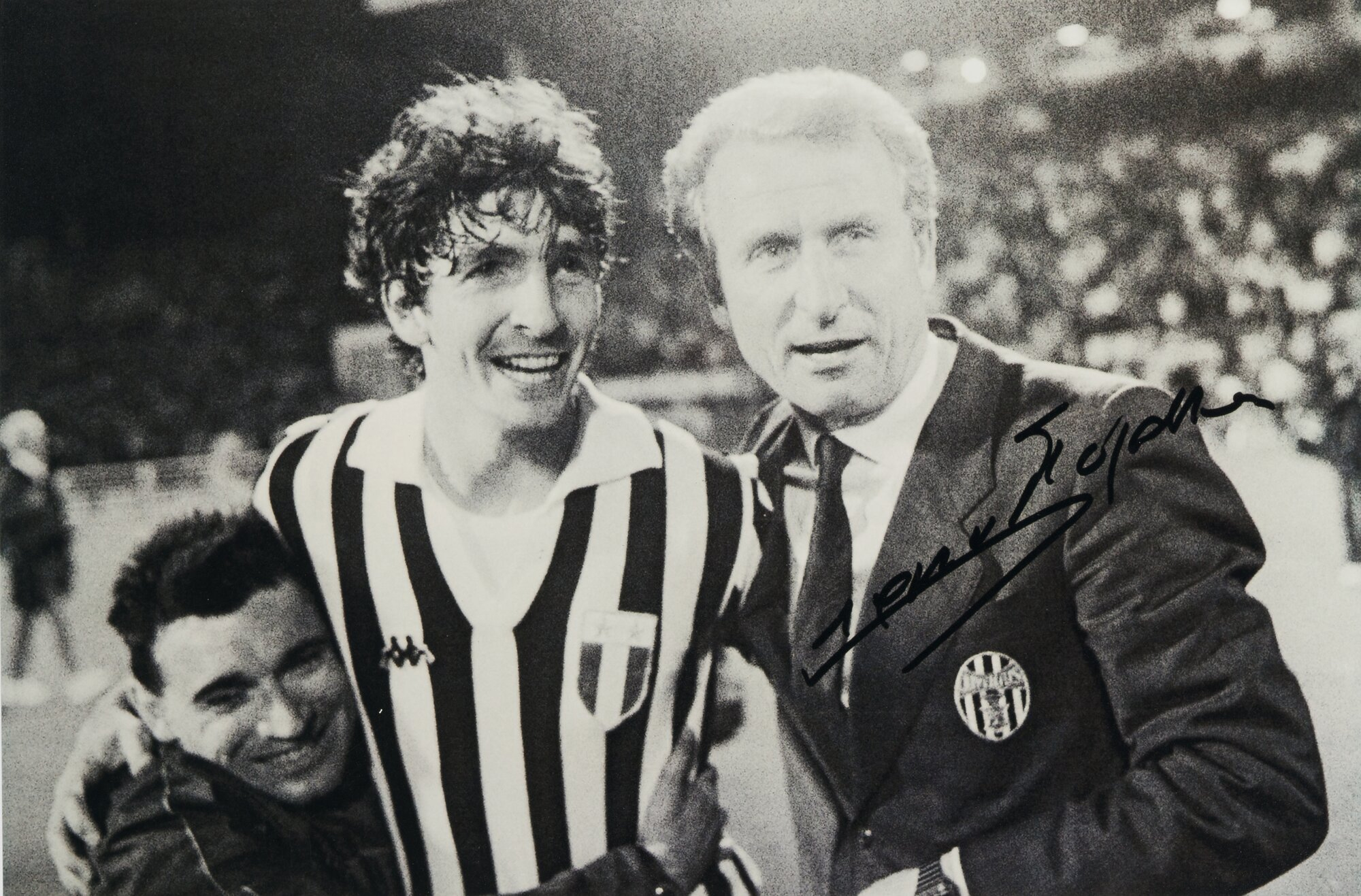
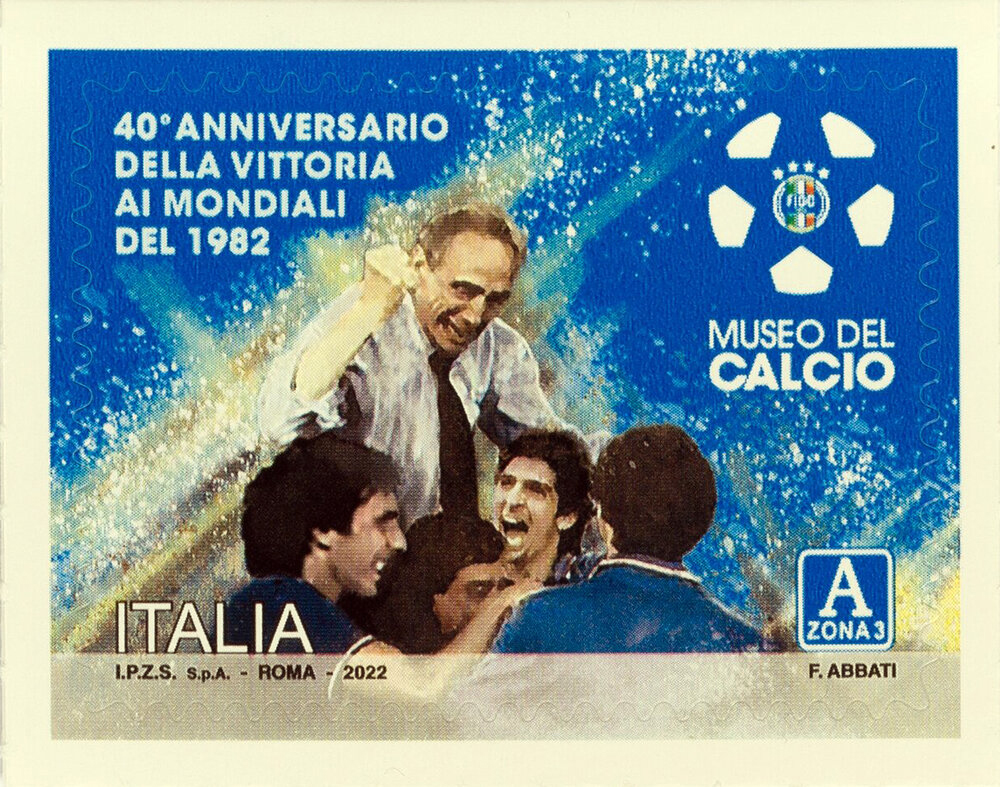
Vicenza signed Paolo, and the numbers make us smile today. Eight million lire for the first year, in Serie B; then, after promotion, Paolo cost Vicenza 27 million in the miracle year, and after his 24 goals and Vicenza’s runner-up finish, his salary rose to 35 million for the 1978/79 season. But that season would prove costly for L.R. Vicenza—not so much because of Paolo’s contract, but because of the sum President Giussy Farina wrote in a sealed envelope to resolve the co-ownership of his striker after the 1978 records: 2.612 billion lire, against a much lower offer from Juventus. To recoup the expenses, Farina invented the two-year season ticket for fans, but what everyone called Real Vicenza (a nickname earned the previous season for their extraordinary style of play) was relegated to Serie B on the final day, despite another 15 goals from the man who, three years later, would become the most famous footballer on the planet.
Rossi would go to Perugia, who had replaced Vicenza as the miracle team, finishing second behind Milan. There, another president, Franco D’Attoma, would come up with a way to finance the costly deal by inaugurating the era of shirt sponsorships in football—but that’s another story!