
Some time ago, Francesco Sessa, writing for Gazzetta.it, called Paolorossi Paolorossi a pop icon. It’s not hard to see why: Pablito entered the Italian pop imagination as naturally as the Mona Lisa, the Colosseum, and Volare – did—though, truth be told, that song is actually called Nel blu, dipinto di blu. But in the end, he too, after the 1978 World Cup, was rechristened with the name Pablito.
There have been exhibitions that told the story of Italy and in which Pablito rightfully took his place, such as the one titled “Noi – Non erano solo canzonette” (“Us – They Weren’t Just Little Songs”), which recounts 25 years of Italian history through music—from those who make it to those who inspire it; 25 years encapsulated between “two embraces, that of Domenico Modugno on the Sanremo stage in 1958 and that of Paolo Rossi on the night in Madrid.”
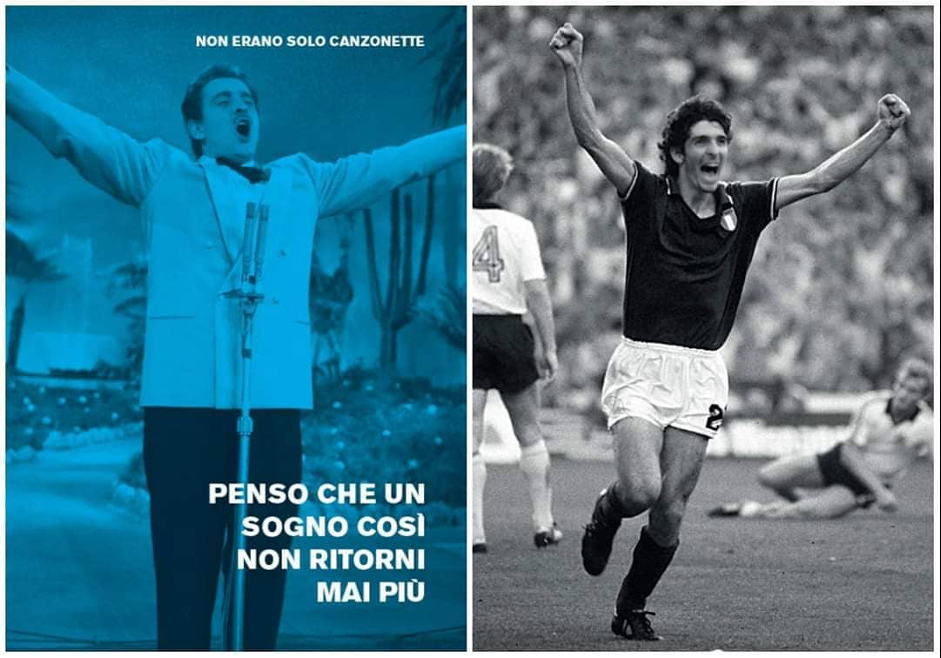
The image is taken from the official Instagram page of “Noi – Non erano solo canzonette”
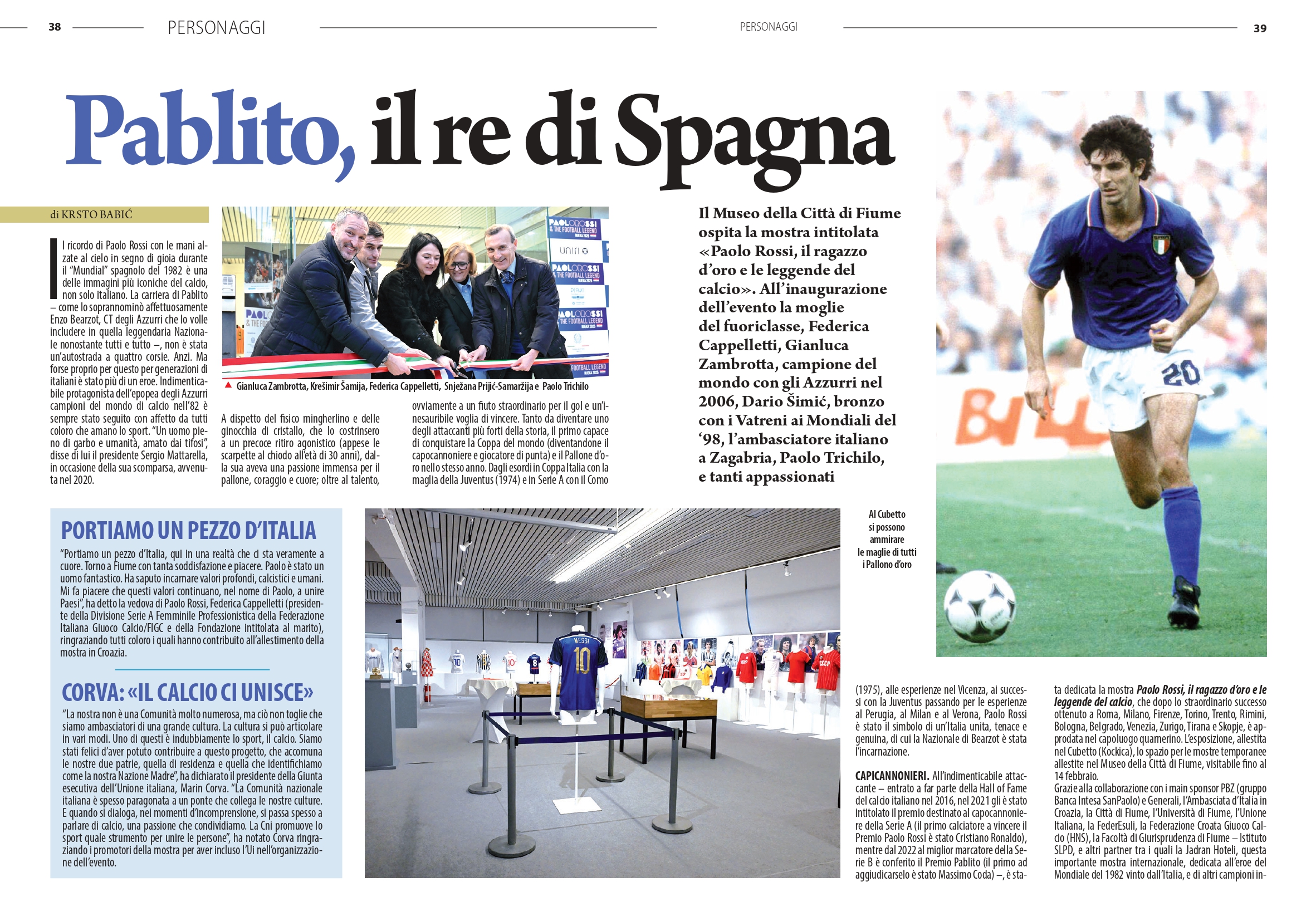
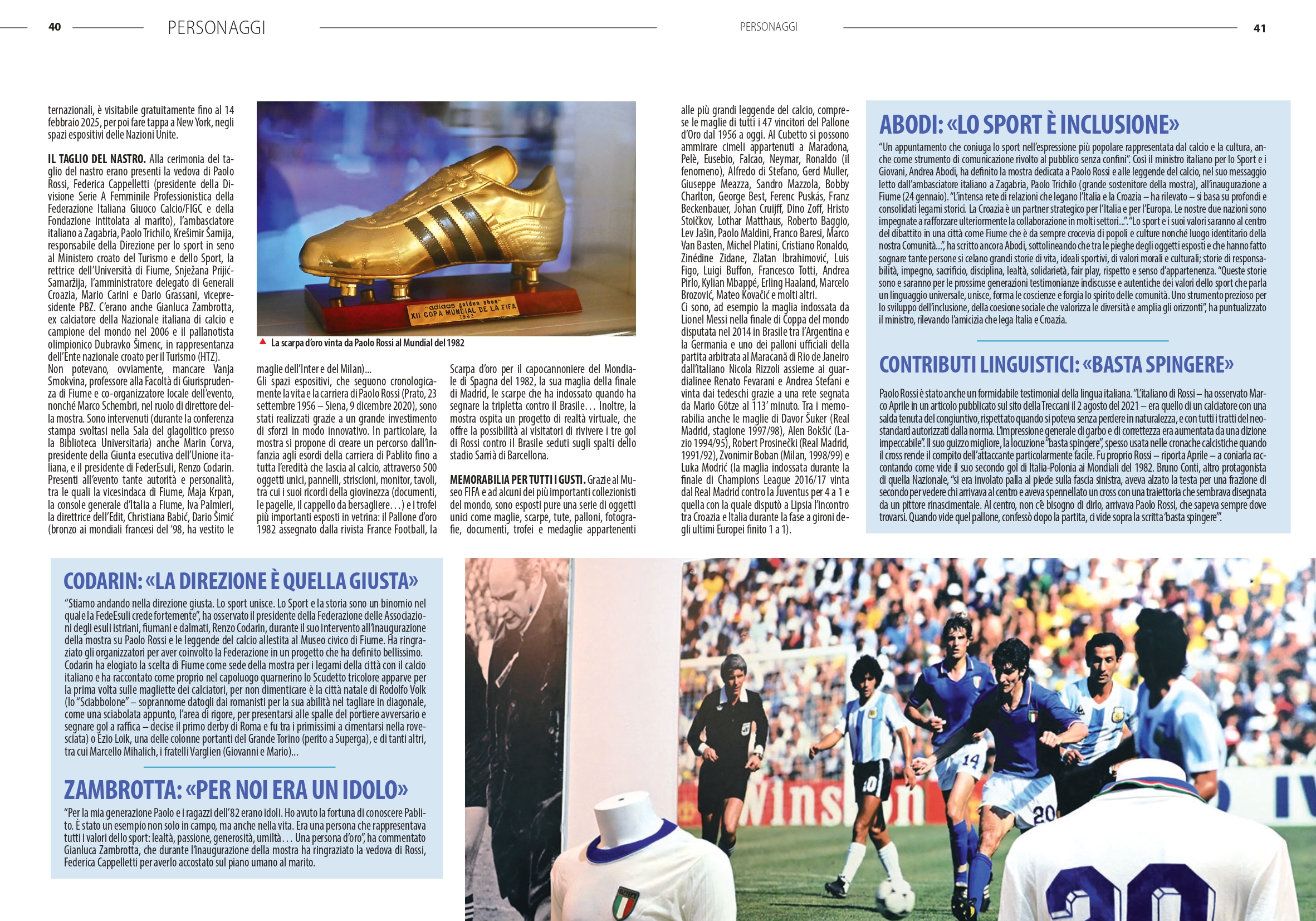
Among the exhibitions more directly dedicated to Paolorossi are “Pablito Great Italian Emotions” and “Paolo Rossi, il ragazzo d’oro e le leggende del calcio” (“Paolo Rossi, the Golden Boy and the Legends of Football”): traveling shows that journeyed far and wide, touching, in no particular order, cities such as his hometown Prato, Gaiole in Chianti, Florence, Vicenza, Perugia, Turin, Rome, Milan, Sirmione, Trento, Rimini, Bologna, Cesenatico, Venice, Senigallia, and even Belgrade, Zurich, Tirana, Skopje, and Rijeka.
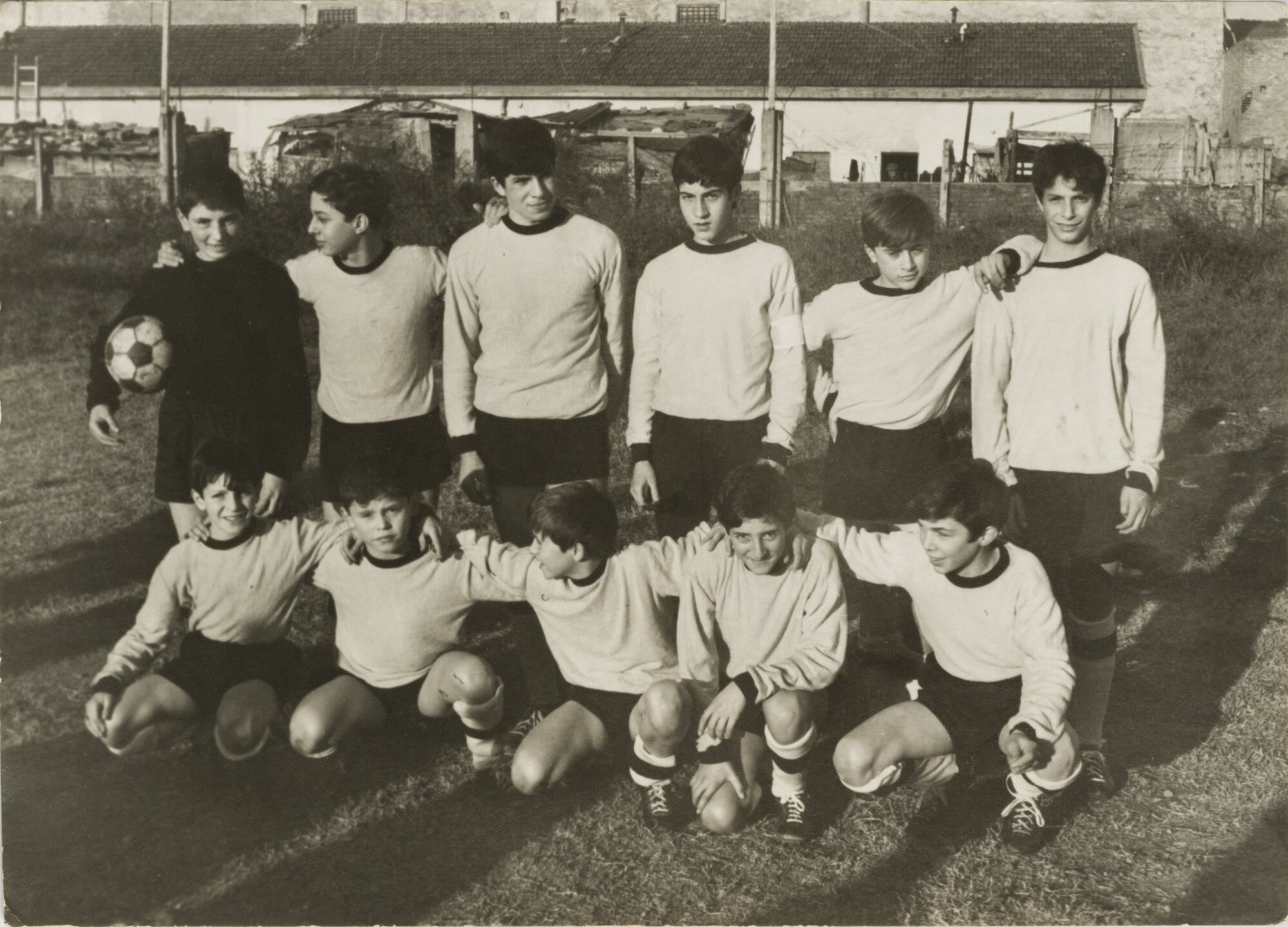
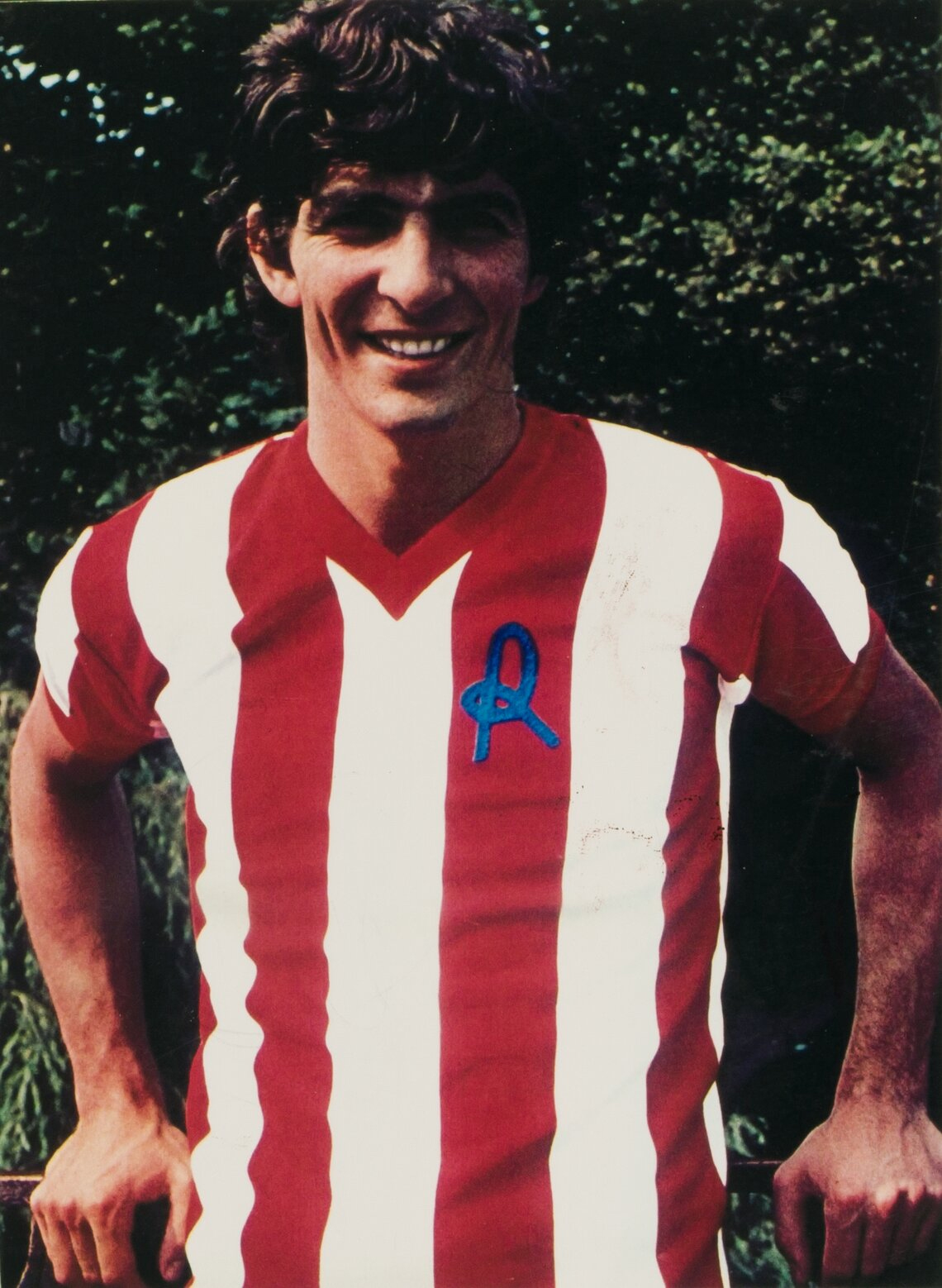
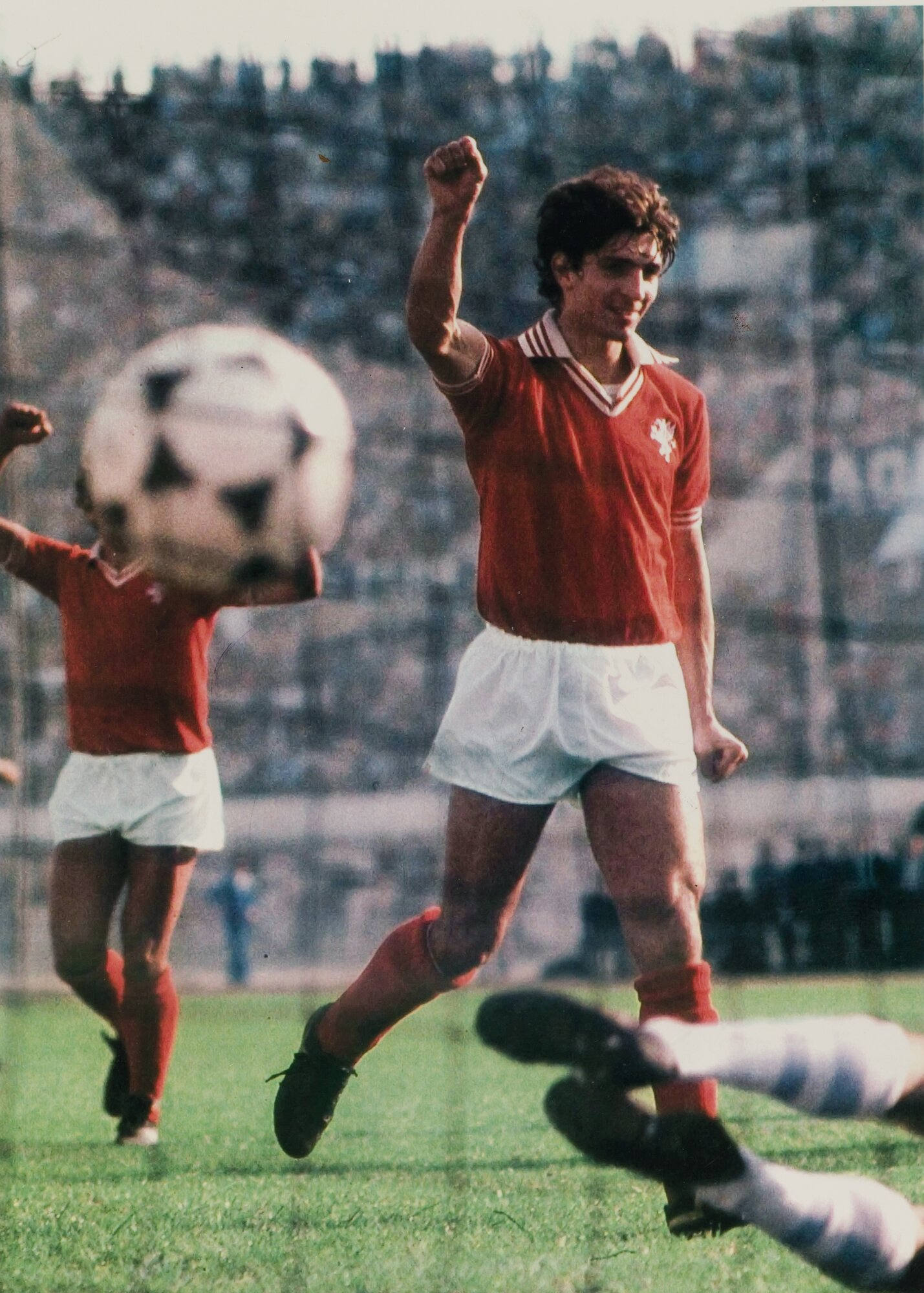
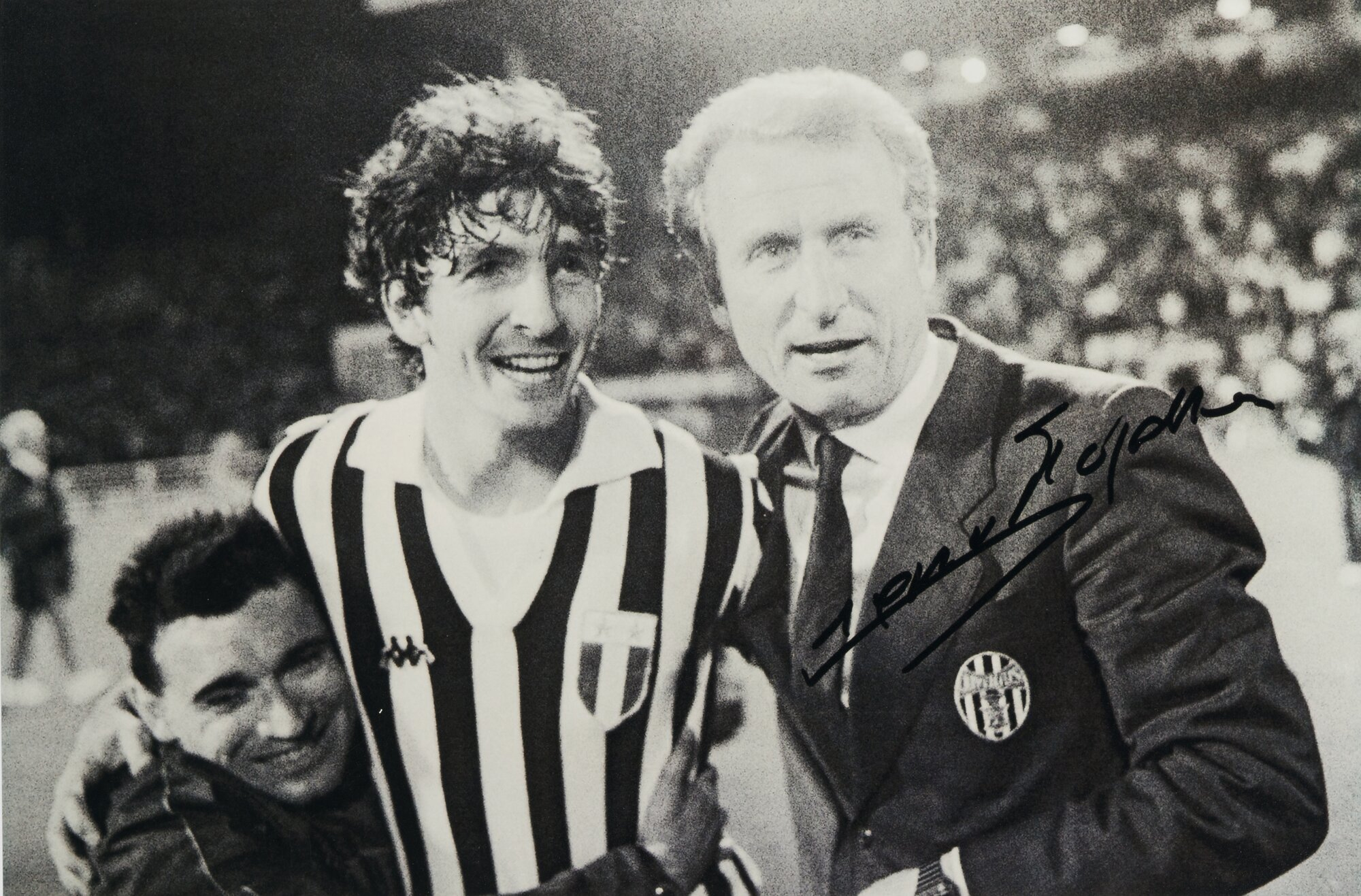
And then there’s cinema, with documentaries like È stato tutto bello – Storia di Paolino e Pablito (“It Was All Beautiful – The Story of Paolino and Pablito”), directed by Walter Veltroni, and Paolo Rossi. Un campione è un sognatore che non si arrende mai (“Paolo Rossi: A Champion is a Dreamer Who Never Gives Up”), by Gianluca Fellini and Michela Scolari.
But above all, what at first glance is surprising (though, knowing Pablito, feels completely natural) is Paolorossi's presence in the Italian music scene, as both a subject of lyrics and a figure on stage.
In the first case, we find him, for example, in Stefano Rossi’s L’italiano(But on Sundays, big problems—Giordano scores, Paolorossi scores) and, more recently, in J-Ax’s Reale (You feel like Pablito, but for your shirtless selfies you get lipo).
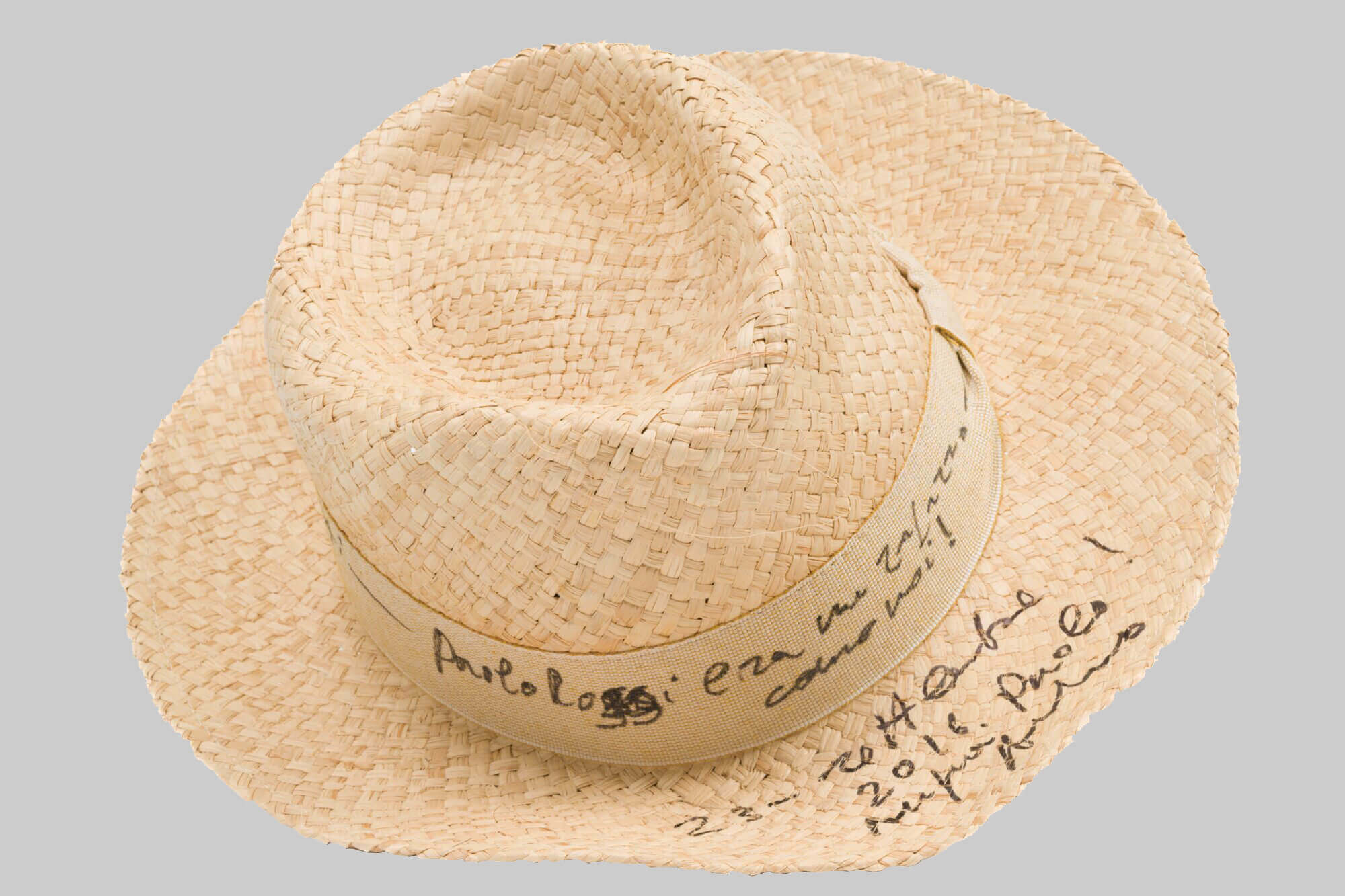
Yet perhaps the most striking example is the one that ends with a dedication on Antonello Venditti’s Panama hat.
It was Pablito’s sixtieth birthday when Venditti gifted him his own hat, inscribed with the words, “Paolorossi, a guy like us.”
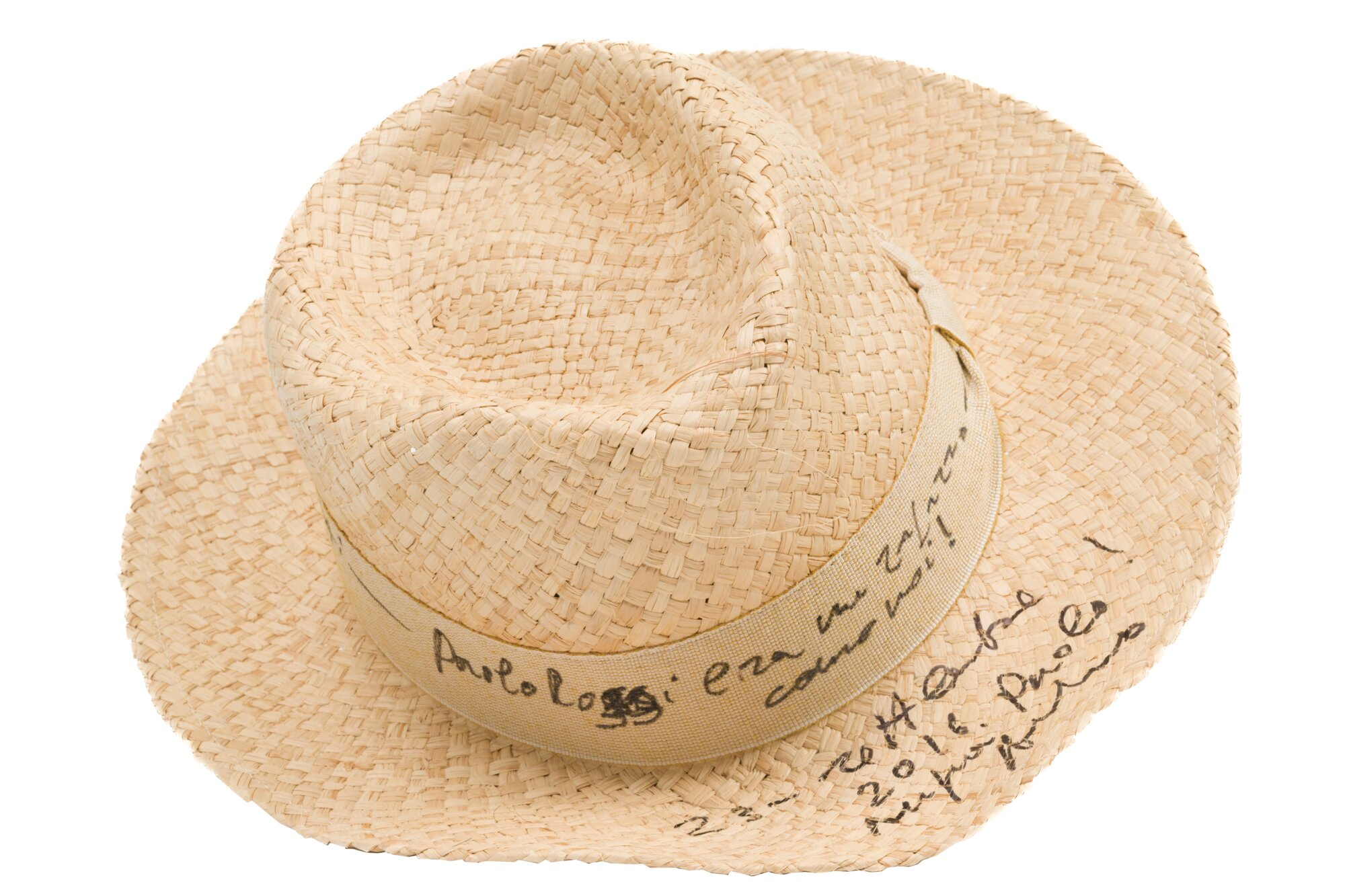
Here’s the story: in 1986, the album Venditti e segreti was released, featuring the track Giulio Cesare. In this coming-of-age song, Venditti sings that it was the year of the World Cup, that ’86, Paolo Rossi was a guy like us. Well, the truth is that in Venditti’s original notes and intentions, that Paolo Rossi was a student killed during the university protests of 1966. But a case of shared names—and stadiums, whether for matches or concerts—overlaid the image of the 1982 World Cup champion and Ballon d’Or winner onto that name.
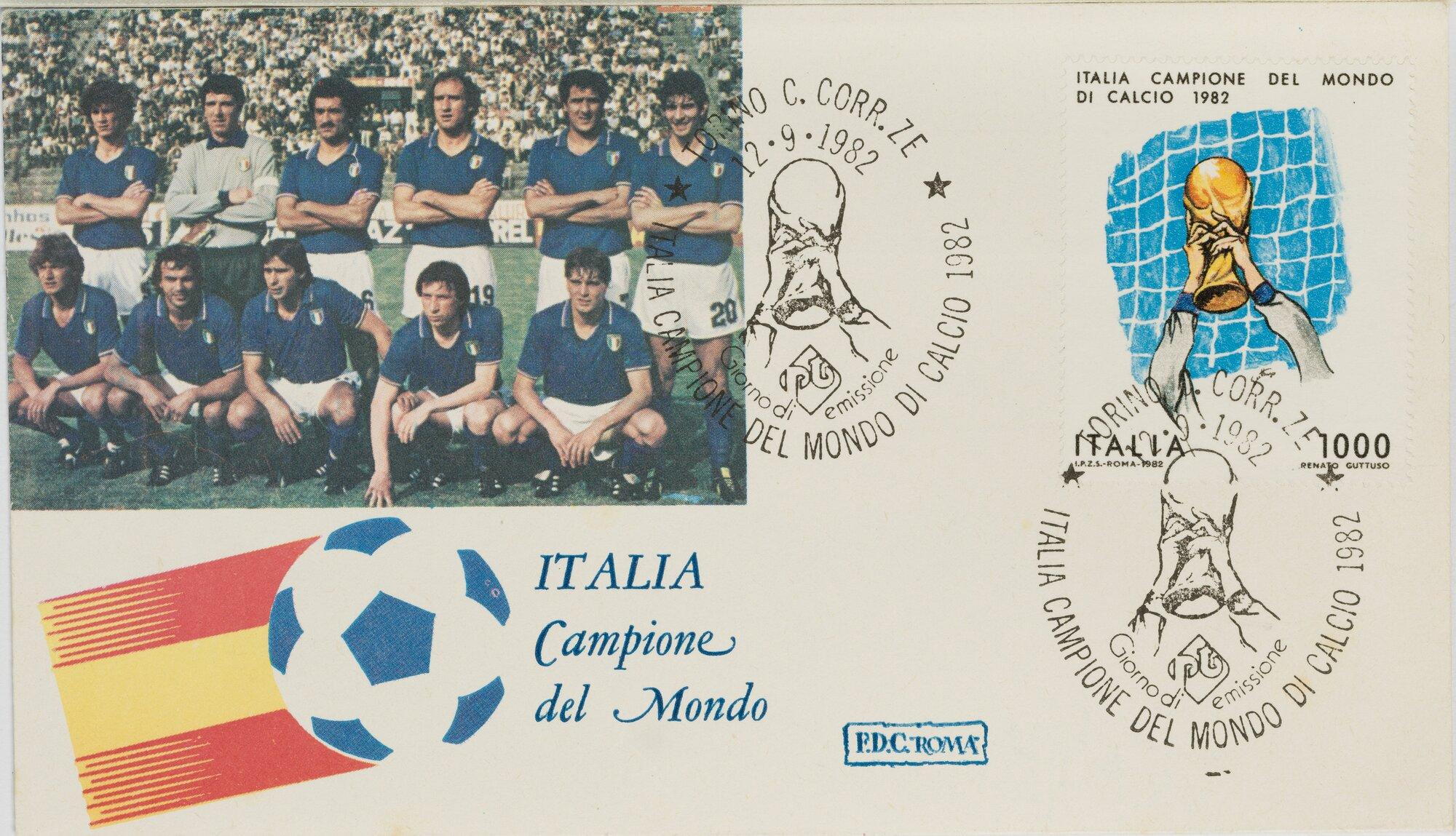
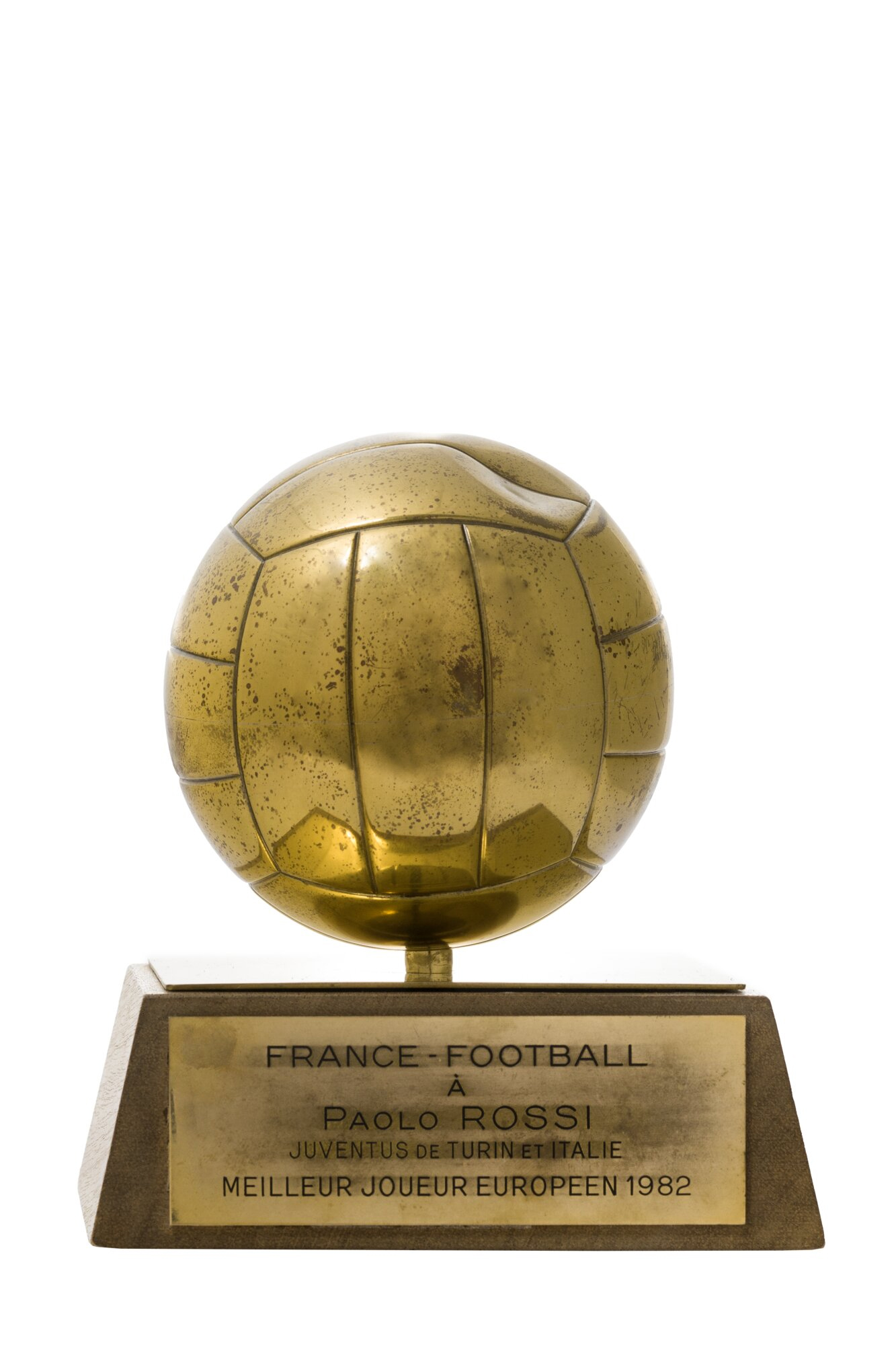
From a certain point on, it was Venditti himself who embraced the footballing version, without erasing his original meaning, but telling how people themselves reshaped the song as a tribute to a world hero.
On Pablito’s sixtieth birthday, Antonello Venditti invited him on stage and gave him that dedicated Panama hat, confirming the new life those words had taken on. Even today, when Venditti performs Giulio Cesare in stadiums, at that moment in the song, people rise to their feet and applaud in a double tribute—to Venditti and to Paolorossi, a guy like us. Golden, but still one of us.